Future of the GTA Real Estate Market (2026–2028): Trends, Forecast & Opportunities
The Greater Toronto Area real estate market is entering a new phase — one that presents opportunity for buyers, strategy for sellers, and long-term upside for investors.
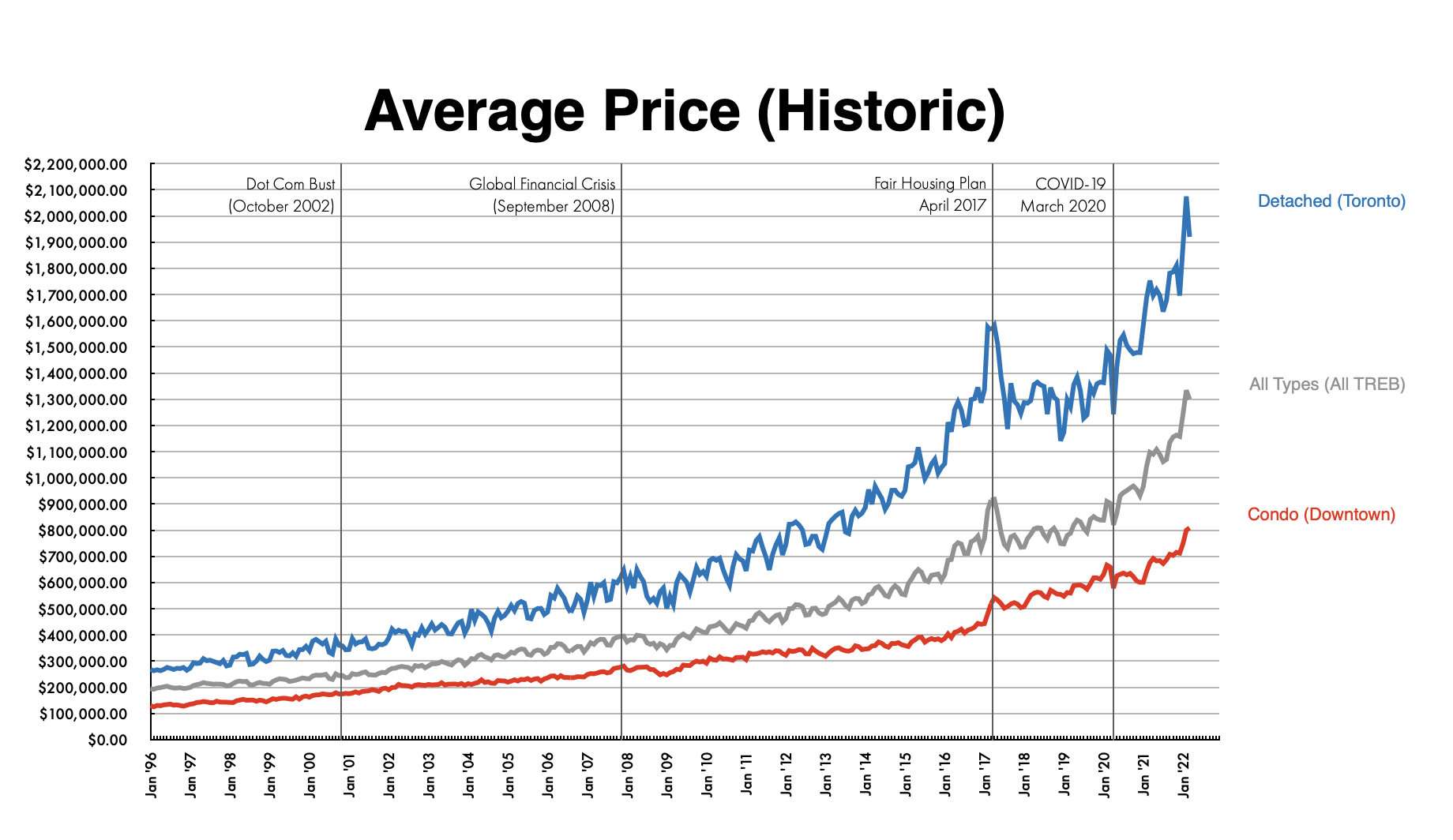
After a significant correction from peak prices in 2022, the market across cities like Mississauga, Brampton, and Vaughan has stabilized, setting the foundation for the next growth cycle.
If you're searching:
· “Will GTA home prices go up?”
· “Is now a good time to buy in the GTA?”
This guide gives you a clear, clear breakdown of what to expect.
GTA Real Estate Market Overview (2026)
The 2026 market is best described as balanced and transitioning.
Key Characteristics:
· Average home prices around $1M+
· Increased inventory across the GTA
· Homes taking longer to sell
· Buyers gaining negotiation power
This marks a shift from the intense seller’s market of previous years to a more buyer-friendly environment.
GTA Housing Market Forecast (2027–2028)
Looking ahead, the GTA real estate market is expected to experience steady, controlled growth.
Forecast:
· Home prices rising approximately 2–4% annually
· Sales activity gradually increasing
· More buyers re-entering the market
Unlike past cycles, this growth will likely be:
· More sustainable
· Less speculative
· Driven by real housing demand
Why GTA Home Prices Will Rise Long-Term
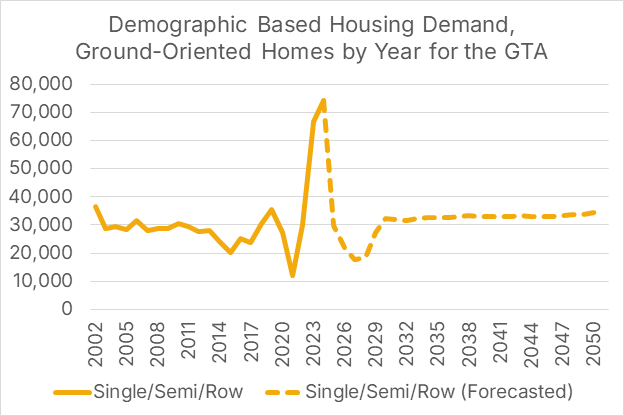
One of the strongest drivers of future price growth is limited housing supply.
Key Factors:
· Fewer new construction projects
· Pre-construction condo slowdown
· Rising development costs
At the same time:
· Population growth continues
· Immigration into the GTA remains strong
This imbalance between supply and demand will continue to support long-term price appreciation.
Condo vs Freehold Market Trends
The GTA market is evolving differently across property types.
Condos:
· Short-term price pressure
· Higher inventory levels
· Slower recovery
Freeholds (Detached, Semi, Townhomes):
· Stronger demand from families
· Limited supply
· Better long-term value
Buyers may find better deals in condos, while freeholds remain more stable investments.
Interest Rates and Their Impact
Interest rates will continue to shape the market.
· Lower rates increased buyer demand
· Higher rates slower market activity
Even small rate changes can significantly impact:
· Affordability
· Buyer confidence
· Overall sales volume
This is one of the most important variables in predicting market movement.
Affordability and Buyer Behavior
Affordability remains a major issue across the Greater Toronto Area.
Emerging Trends:
· Buyers moving to outer regions like Milton and Burlington
· Increased demand for smaller or more affordable homes
· More cautious first-time buyers
Affordability will limit rapid price spikes but will not eliminate demand.
Is Now a Good Time to Buy in the GTA?
Yes — for many buyers, 2026 presents a strong opportunity.
Advantages:
· More inventory
· Less competition
· Negotiation power
Buying before the next growth cycle could position you for long-term gains.
Is Now a Good Time to Sell in the GTA?
Selling is still a strong option — if done correctly.
Key Strategy:
· Price competitively
· Use high-quality marketing
· Work with experienced agents
Homes that are priced right and marketed properly are still selling successfully.
Final Forecast Summary
2026:
· Stable prices
· Buyer-friendly conditions
· Opportunity phase
2027:
· Market recovery begins
· Gradual price growth
2028+:
· Supply shortage intensifies
· Stronger upward price pressure
The future of the Greater Toronto Area real estate market is not about timing the exact bottom — it’s about understanding the cycle.
· The correction has already happened
· Stability is here
· Growth is coming
The biggest opportunities come before the rebound — not after it