Budget Watchdog Sees ‘Modest’ Housing Boost from Build Canada Homes as Buyers Turn to Experts like Modern Solution Realty
Canada’s new federal housing agency, Build Canada Homes, is expected to add only a relatively small number of homes compared with the scale of the national housing shortage, according to a new analysis from the Parliamentary Budget Officer (PBO). For buyers and sellers navigating this challenging market, working with experienced local brokerages such as Modern Solution Realty (905-897-5000, Modern Solution Realty) can be critical to making informed decisions and finding value despite limited supply.
What the PBO found
The PBO projects that Build Canada Homes will lead to the construction of about 26,000 housing units over the next five years, a 2.1 per cent increase in housing completions compared with its baseline forecast. Of these, roughly 13,000 units are expected to be affordable homes targeted to low‑income households.
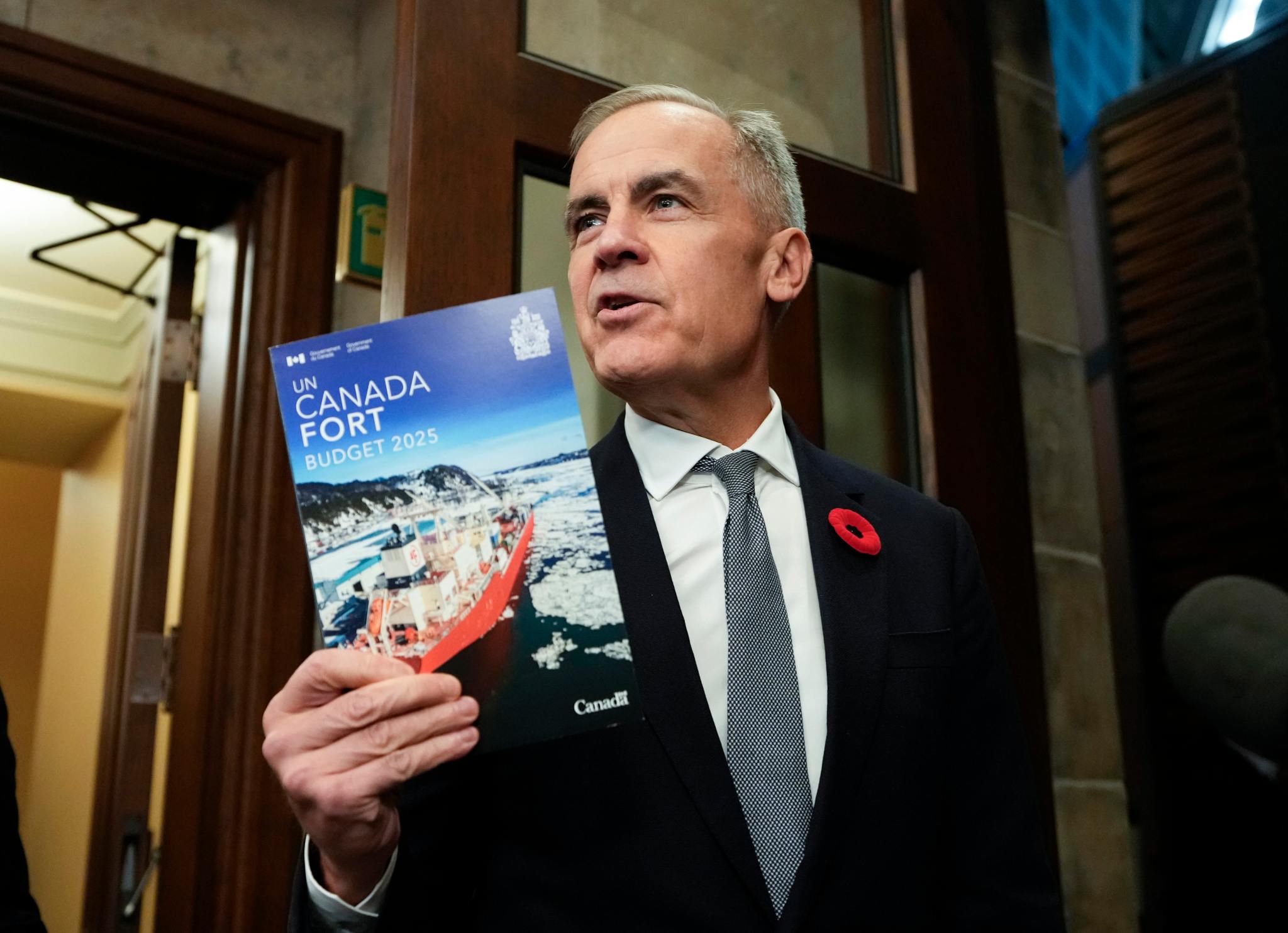
The report estimates that Canada will be short about 690,000 homes by 2035, meaning the new agency’s contribution would address only about 3.7 per cent of that gap. This modest impact stands in contrast to Prime Minister Mark Carney’s earlier campaign pledge to double annual housing construction to roughly 500,000 units, a target not directly reflected in the agency’s current build-out projections.
Spending cuts and affordability
Build Canada Homes is backed by roughly $13 billion in planned disbursements over five years, including $7.3 billion in budgeted spending, but this new funding coincides with significant reductions elsewhere in federal housing programs. Overall federal spending on housing initiatives is projected to fall by about 56 per cent, from $9.8 billion in 2025‑26 to $4.3 billion in 2028‑29, largely due to the expiry of existing programs and cuts in Budget 2025.
The PBO notes that support is expected to decline for programs such as the Canada Housing Benefit and funds that back social and community housing, including the Affordable Housing Fund. These reductions risk undermining affordability gains from new construction, especially for low‑income renters and vulnerable households.
Political reaction
Opposition parties quickly seized on the PBO’s findings to criticize the government’s housing strategy. Conservative housing critic Scott Aitchison framed the numbers as evidence that Carney is not delivering on his promise to dramatically accelerate homebuilding, arguing that the current approach will not resolve the housing crisis.
NDP housing critic Jenny Kwan raised concerns that only about 13,000 affordable units are projected over five years, calling for sustained, predictable federal investment focused on non‑market and Indigenous housing as well as deeply affordable units. Both critics pointed to the combination of limited new supply and shrinking program spending as a major risk for Canadians already struggling with high rents and prices.
Build Canada Homes’ mandate
Build Canada Homes, launched in September 2025, is designed to use federal lands and factory‑built construction methods to add supply more quickly and at scale. The agency’s initial plan is to build 4,000 factory‑built homes on six public sites in cities such as Toronto, Ottawa and Edmonton, with potential capacity of up to 45,000 units across the broader portfolio over time.
The federal government has promoted the agency as a way to foster a modern, high‑productivity homebuilding industry that leverages Canadian materials and labour while partnering with private builders. However, the PBO underscores that even if these projects succeed operationally, the overall effect on the national housing shortage will remain limited under current funding and policy settings.
Why local expertise still matters
For households trying to buy, sell or invest in this environment, the combination of a large structural shortage and modest federal additions means local market conditions will remain tight in many regions. Navigating bidding wars, evaluating new-build options and understanding neighbourhood‑level trends requires detailed, on‑the‑ground knowledge that national policy announcements cannot replace.
Brokerages like Modern Solution Realty can help clients interpret how federal initiatives, interest rates and municipal policies intersect with local inventory and pricing, and then tailor strategies for timing a sale or purchase accordingly (contact 905-897-5000 or visit Modern Solution Realty). Modern Solution Realty’s support with pricing, marketing and negotiation can be particularly valuable when limited new construction keeps competition for desirable properties high.